Kingdom Legacy. My First Hour Building a Kingdom, and I’m Slowly Getting the Hang of It.
My first hour with Kingdom Legacy was full of rulebook checks. Towards the end, producing resources and planning upgrades finally started to become enjoyable.
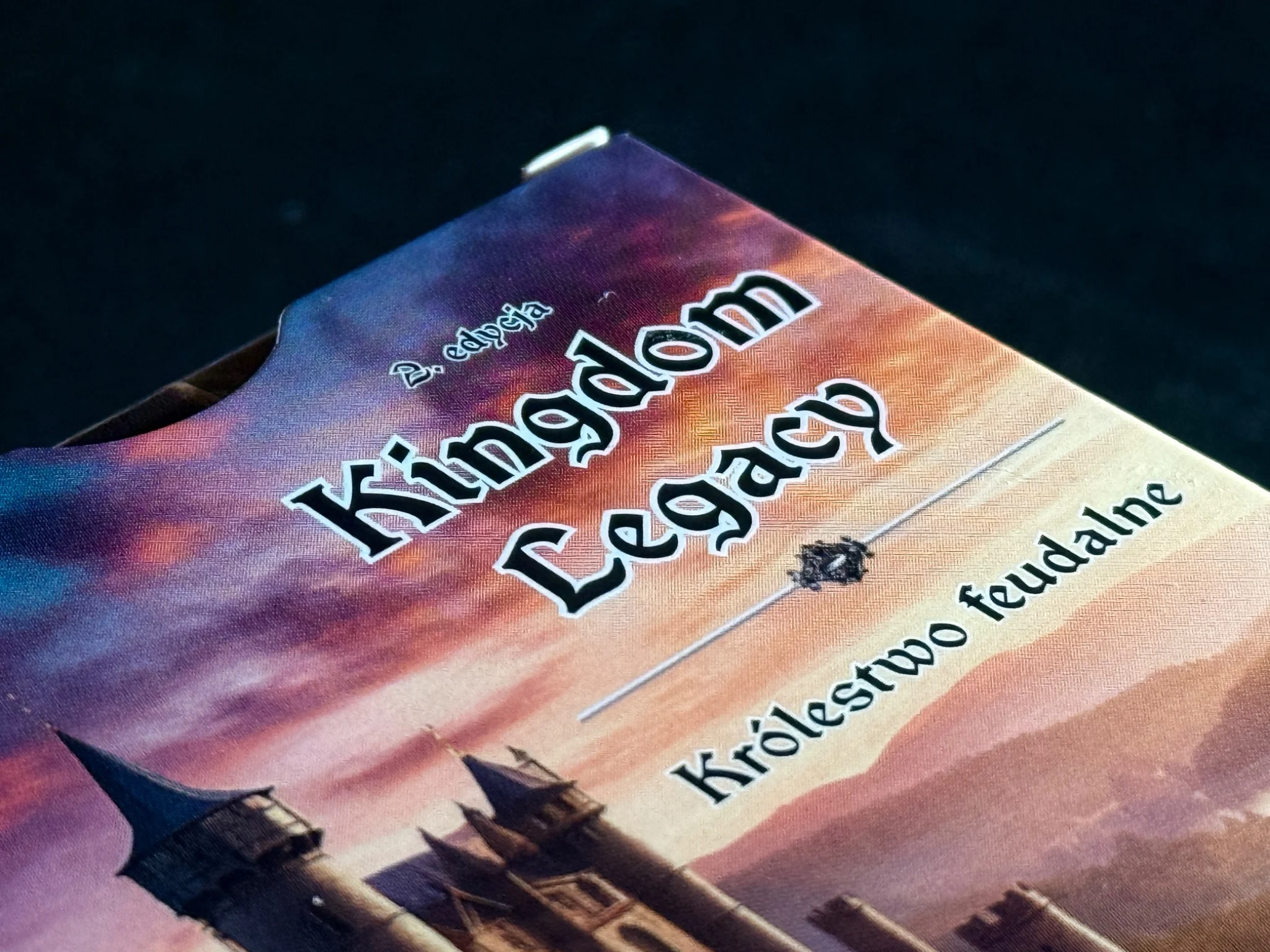
I was looking for another legacy game I could play on my own when I came across Kingdom Legacy: Feudal Kingdom. I watched a few YouTube videos, liked what I saw, and decided to give it a try.
My first session lasted a little over an hour. If I had to sum it up in one sentence, it would be this: I still need to check the rulebook quite often, but I’m slowly starting to get the hang of it.
How did I come across Kingdom Legacy?

I wasn’t specifically looking for a game about building a kingdom. I was looking for new solo legacy games, and Kingdom Legacy happened to catch my eye. A few videos later, I wanted to try it.
I like the idea that decisions can leave permanent marks on a game. I’ve touched on that before in my article about roll-and-write games and their connection to my love of legacy games.
Kingdom Legacy: Feudal Kingdom is a solo card campaign that starts with a small set of cards and gradually lets you develop your own kingdom. You discover new cards, upgrade existing ones, and make permanent changes.
It sounds manageable when described like that. During my first session, though, I discovered there is a bit of a gap between understanding the basic idea and remembering every little rule.
The first hour, with the rulebook close by.
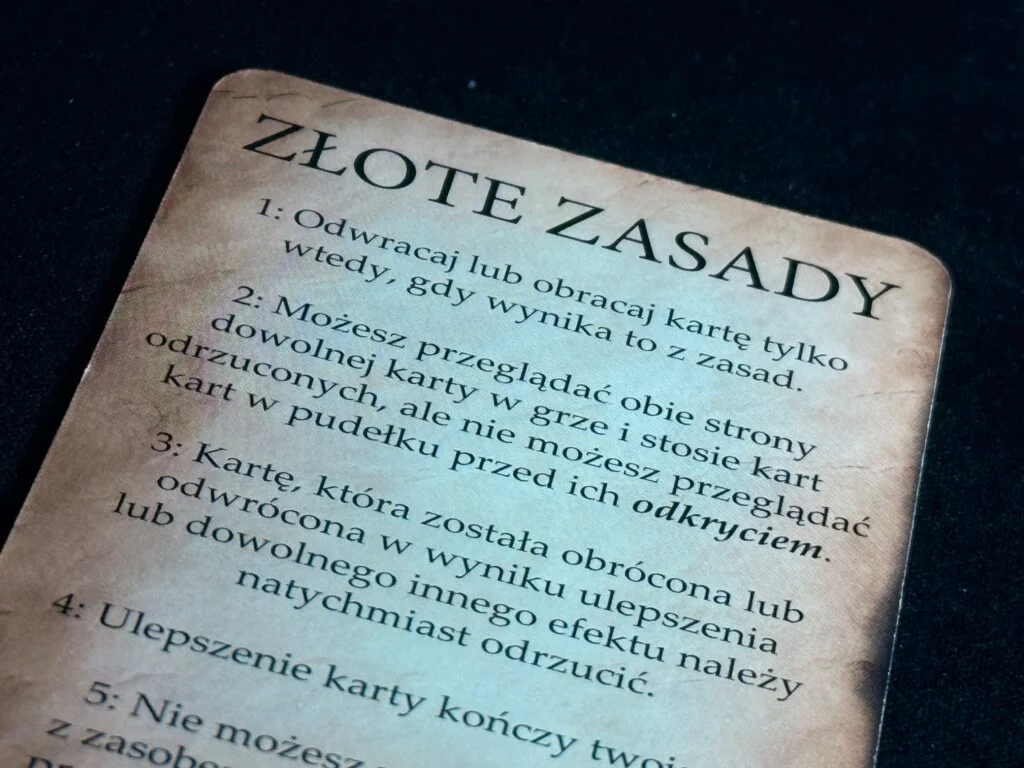
I think I got to somewhere around card 20 in that first session. I say “I think” because I wasn’t carefully tracking my progress. I was much more interested in figuring out how to play.
Most of my rulebook checks were about card effects. I also had to keep reminding myself of the difference between permanent cards and cards that stay in play.
They aren’t the same thing: permanent cards are active outside the play area, while cards that stay in play remain there beyond the end of a normal turn. It may sound like a small distinction, but it matters when you’re trying to resolve effects correctly.
I didn’t understand everything completely, so I also looked things up online.
There wasn’t one magical moment when every rule suddenly made sense. It was more a gradual process of getting familiar with one detail after another.
Still, towards the end of the session, something began to click.
When the decisions start to become fun.
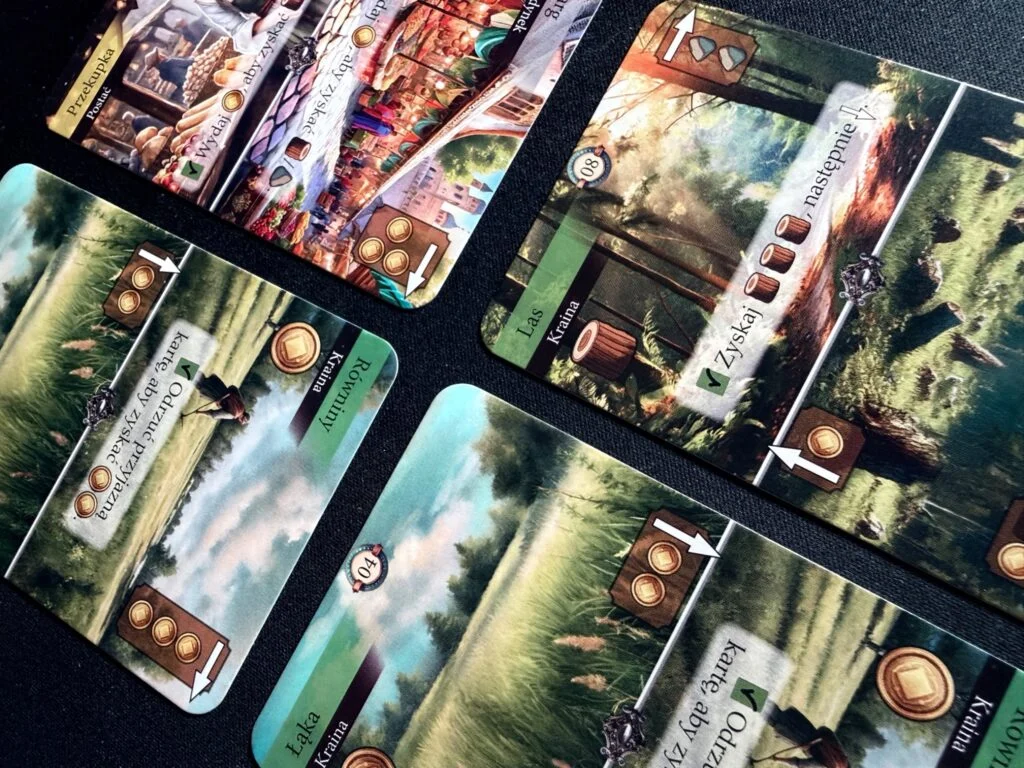
Was it great fun from the very beginning? I wouldn’t say that. When you have to keep checking what cards do, a lot of your attention goes into making sure you’re playing correctly.
It was only after I started understanding the basics that the interesting part really began.
What I enjoyed most was working out how to produce resources and upgrade cards. What should I produce now? What should I give up? How can I arrange my choices so that I can finally afford the upgrade I’m aiming for?
Suddenly it isn’t just about going through the motions. It’s about finding a way to achieve something with the cards and options currently available to me.
That’s exactly the kind of mental workout I enjoy.
I’m not claiming I’ve discovered a brilliant strategy or mastered the mechanics. But by the end of this first session, I could finally see why making those choices might be satisfying.
A legacy game tells me to destroy cards. So I keep them.
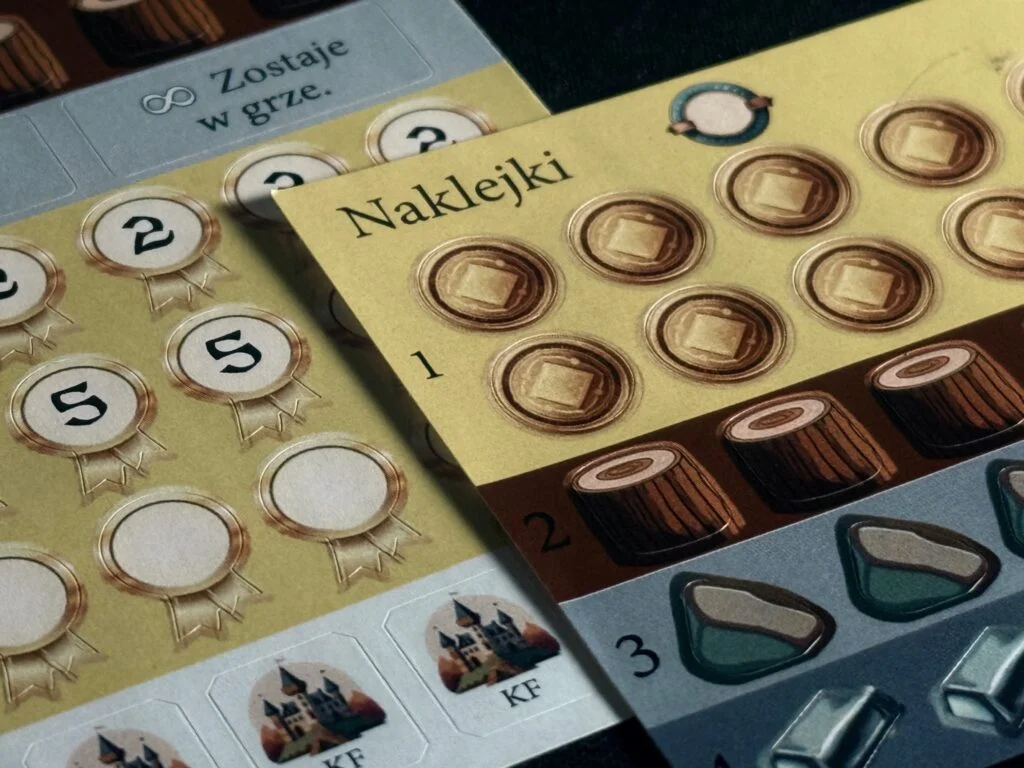
During the game, I was supposed to destroy two cards. I didn’t. I set them aside in case I decided to reset my kingdom and start over.
There’s a funny contradiction here. Part of the reason I like legacy games is that decisions have lasting consequences, yet at the first opportunity I left myself an escape route.
Then again, the Kingdom Legacy rulebook actually allows an early reset and tells you to set destroyed cards aside for a while. So my backup plan isn’t entirely unreasonable.
I don’t know whether I’ll use that option. I simply didn’t want to close it off during my very first session.
One minute to set up, and the kingdom can keep growing.
There’s one thing I already really appreciate: setting up Kingdom Legacy takes me about a minute.
I take out the cards and I’m practically ready to play. For a solo game, that matters to me. I don’t want to spend a big chunk of my free time preparing the table before I can actually do anything.
That’s why I think I’ll be returning to it fairly often.
Not because I know everything about the campaign after one hour. Quite the opposite: I’m still checking the rules and learning how the different effects work together.
But now that the decision-making has started to feel enjoyable, I want to see where the next sessions take me.
It’s far too early for a review. My kingdom is only just getting started, and its ruler still keeps the rulebook close at hand.
At least he’s beginning to understand what he’s supposed to be ruling.
A Grown Man Plays with LEGO. But Binge-Watching TV Makes You Mature?
Someone once called me a big kid for enjoying board games and LEGO. Why are those hobbies mocked when hours of television are accepted without question?
Paper, Pencil and Dice. Why Have Roll-and-Write Games Hooked Me?
Paper Dungeons introduced me to the joy of marking up game sheets. Here is why roll-and-write games appeal to my love of legacy games, solo play and offline board gaming.

Komoot and Cycling Navigation: After One Route, I Have More Questions Than Praise.
Komoot was supposed to make my cycling trip easier. I found a route on my computer, saved it, added nearby geocaches and set off. After one ride, though, I have more questions about the navigation than reasons to praise it.
The Market Is Increasingly Deciding When We Buy a Computer.
I heard about Apple computer price increases just as I was seriously considering replacing my Mac mini. My first reaction was not anger but sadness: planning a sensible upgrade is becoming harder when the market keeps moving the goalposts.

1670 Season 3 and the Art of Laughing at Our Own Flaws.
I watched the third season of “1670” and enjoyed it more than the second. It has better pacing, more laughs and the kind of absurd humour that lets you relax without overthinking every scene.

SHOKZ OpenRun for cycling: gadget, indulgence or sensible compromise?
I bought the SHOKZ OpenRun mainly for cycling. After my first ride, I know one thing: these are not headphones for an audiophile, but a sensible compromise for anyone who wants to listen to music, podcasts or an audiobook while remaining aware of their surroundings.