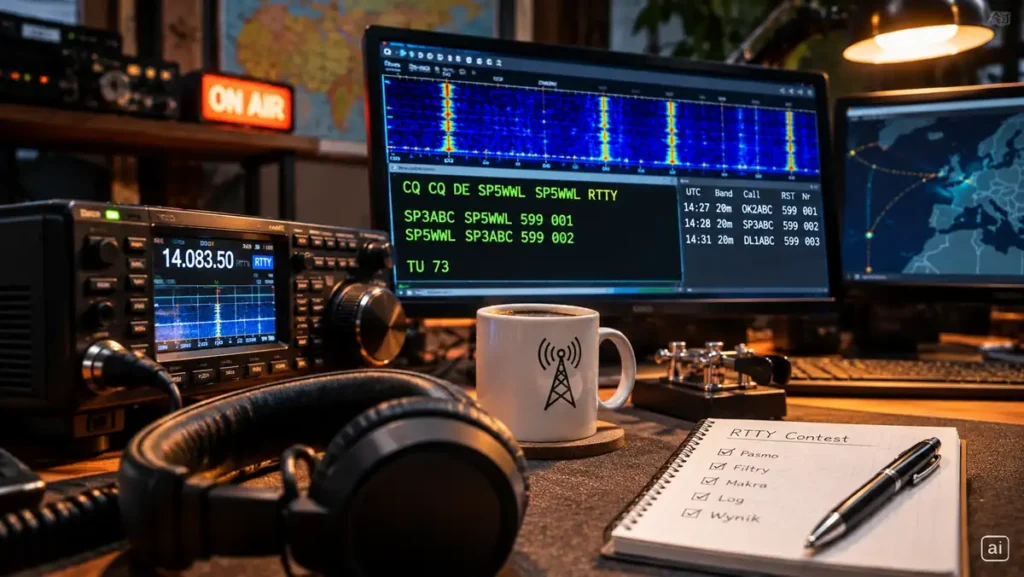
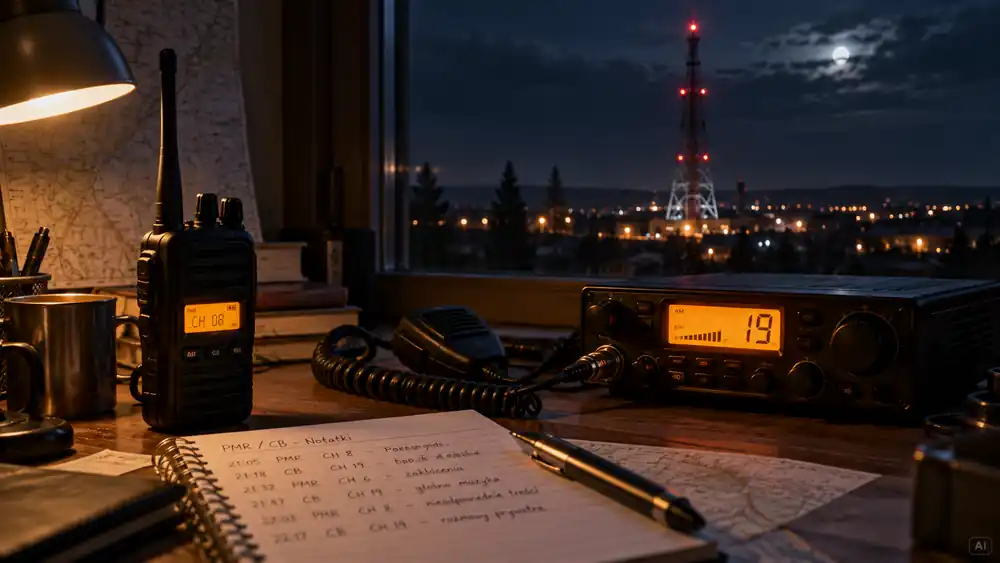
Ham radio equipment, antennas and real-world choices.
What interests me about radio equipment is how it fits a particular way of operating. I write about transceivers, accessories, station arrangements and the compromises involved in choosing between a permanent setup and portable use. I am much more interested in whether a device solves a problem than in another long list of features. Where I have used something, I can describe that experience. Where I am only considering a purchase, I make that distinction clear.
My thoughts on the Yaesu FTX-1 OPTIMA are one example of that approach. This section of the blog is not intended to be a catalogue of every new transceiver.
On-air contacts, operating habits and responsibility.
Ham radio is about more than the equipment on the desk. It involves other operators, the habits that make communication possible and the way people share the airwaves. Some posts explore ordinary operating situations; others deal with rules and attitudes towards radio communication. There is room for personal opinions here, including opinions another amateur operator might disagree with.
When rules matter, I want to separate them from what I personally think. Alongside equipment discussions, you'll therefore find articles such as my piece about PMR and CB misuse. It is an opinion on behaviour, not a substitute for current regulations.
Portable operating, outings and people.
My interest in amateur radio doesn't stop at the home station. This category also includes visits to gatherings, outings with radio equipment and the overlap with cycling, geocaching and other outdoor interests. Sometimes a radio contact is the point of the trip. Sometimes the people, the journey and the unexpected changes of plan make a better story.
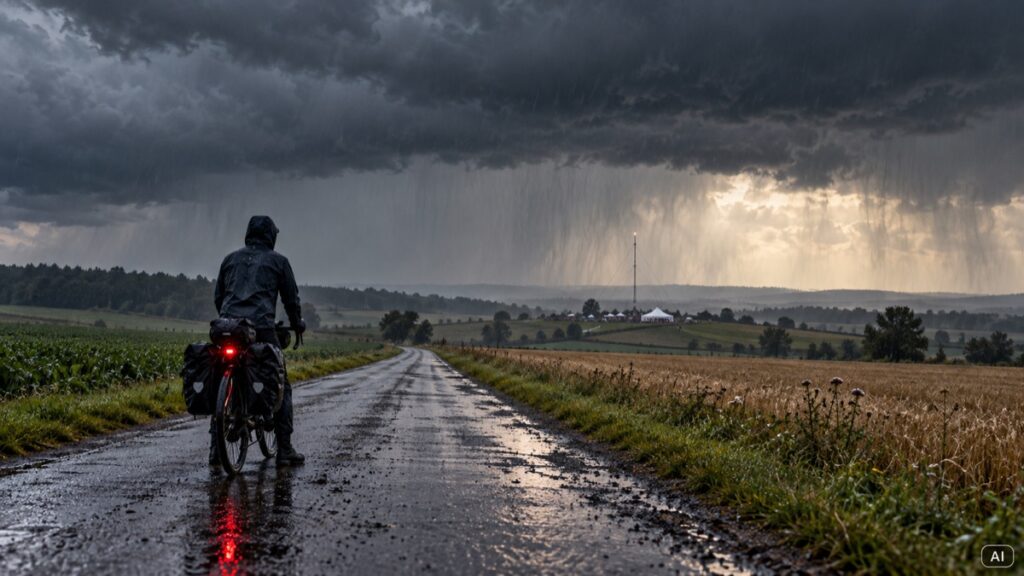
For example, my trip towards Marysin belongs here because of the amateur radio gathering, even if the journey itself turned out rather differently than planned.
Personal experience rather than a universal formula.
The category is for people curious about getting into ham radio and for experienced amateur radio operators who enjoy comparing different approaches. I don't claim there is one perfect station, one way to make contacts or a purchase that suits everybody. I write about my own decisions and the questions I still have, including the occasional change of mind.
I have already written separately about how I first became interested in radio. A detailed explanation of a specific band, antenna or operating technique belongs in its own article. This category is here to help readers see which subjects I cover and decide what they want to explore next.