Trek 12: Himalaya solo. I beat Max 60:58.
After my first quick game of Trek 12: Himalaya, what I liked most were the simple rules and working out where to write each number. It was close against Max, and although these are only first impressions, I want to play again.
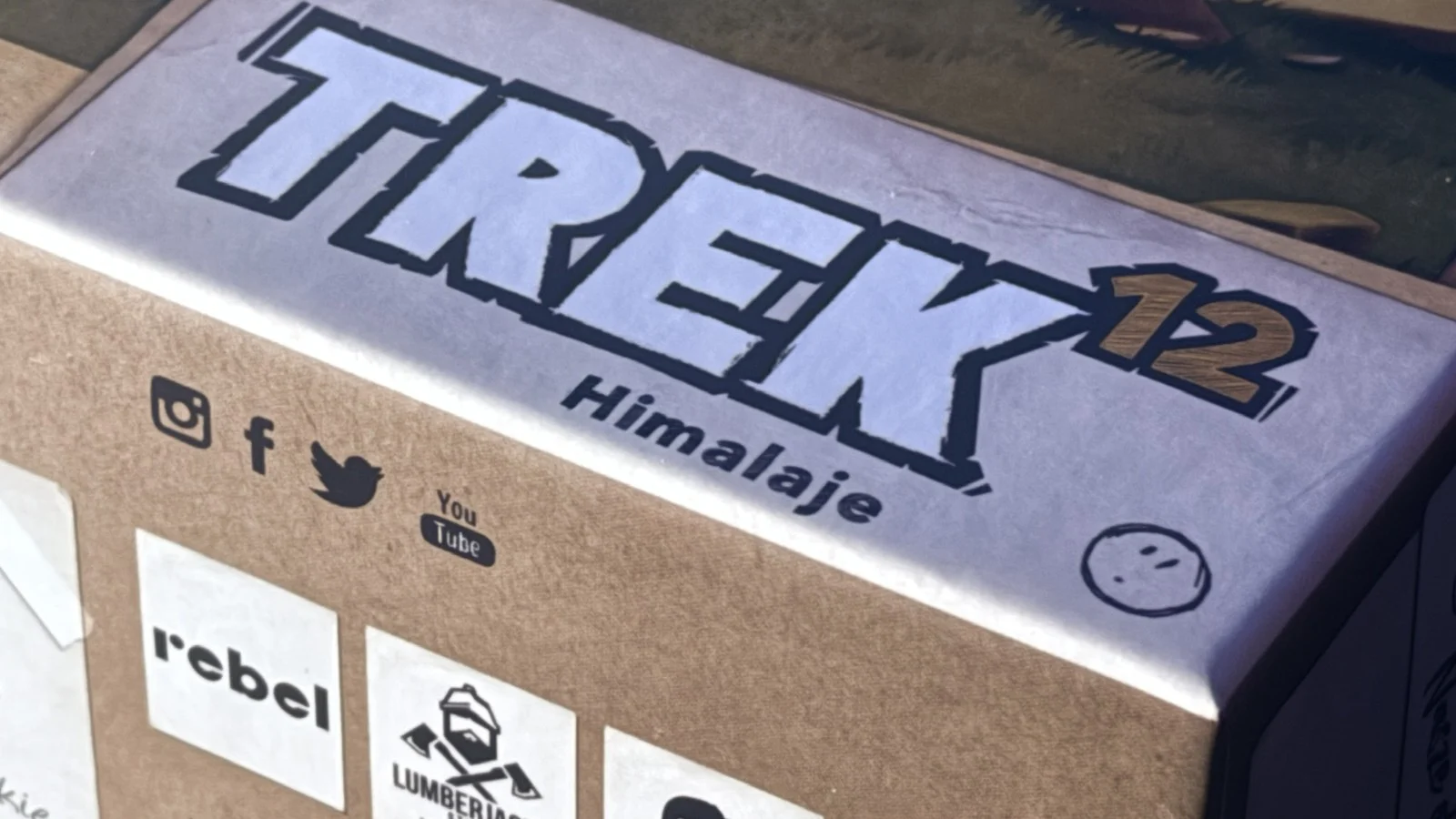
I played my first game of Trek 12: Himalaya solo, using the Quick Trek mode. It ended 60:58 in my favor. I won by a whisker. The score sheet did not have a separate box for it. The lead was narrow, especially since Max gained points where I was penalized. I would not call this a review of the entire game after a single play, but my first impression is very positive.
The box felt crowded as soon as I opened it.
What I remember best happened before the game had even started. I opened the box and saw how much was inside. I had already forgotten about the additional sealed envelopes, so the contents genuinely surprised me. Once opened, the box looked like a hallway before a trip: everything seemed necessary, but nobody knew for whom.
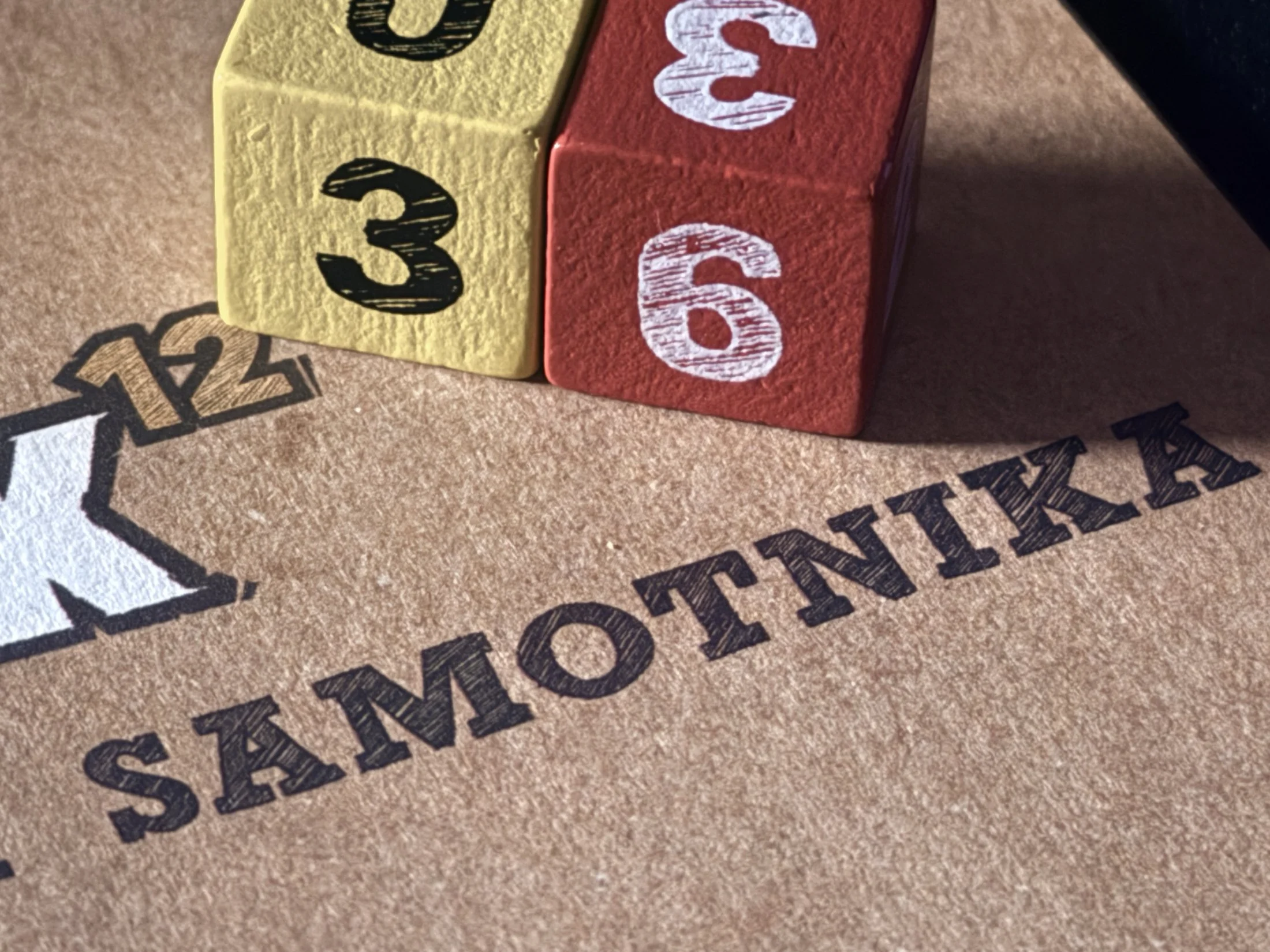
Inside are two dice, one expedition leader card, 16 assistance cards, three score pads, three rulebooks and six sealed challenge envelopes. A large part of that goes back into the box in the quick mode. Quick Trek turns the box into a cloakroom: most of the equipment stays at the entrance. To begin with, all you need are the dice, a sheet and something to write with. Despite everything in the box, I did not feel overwhelmed while learning the basics.
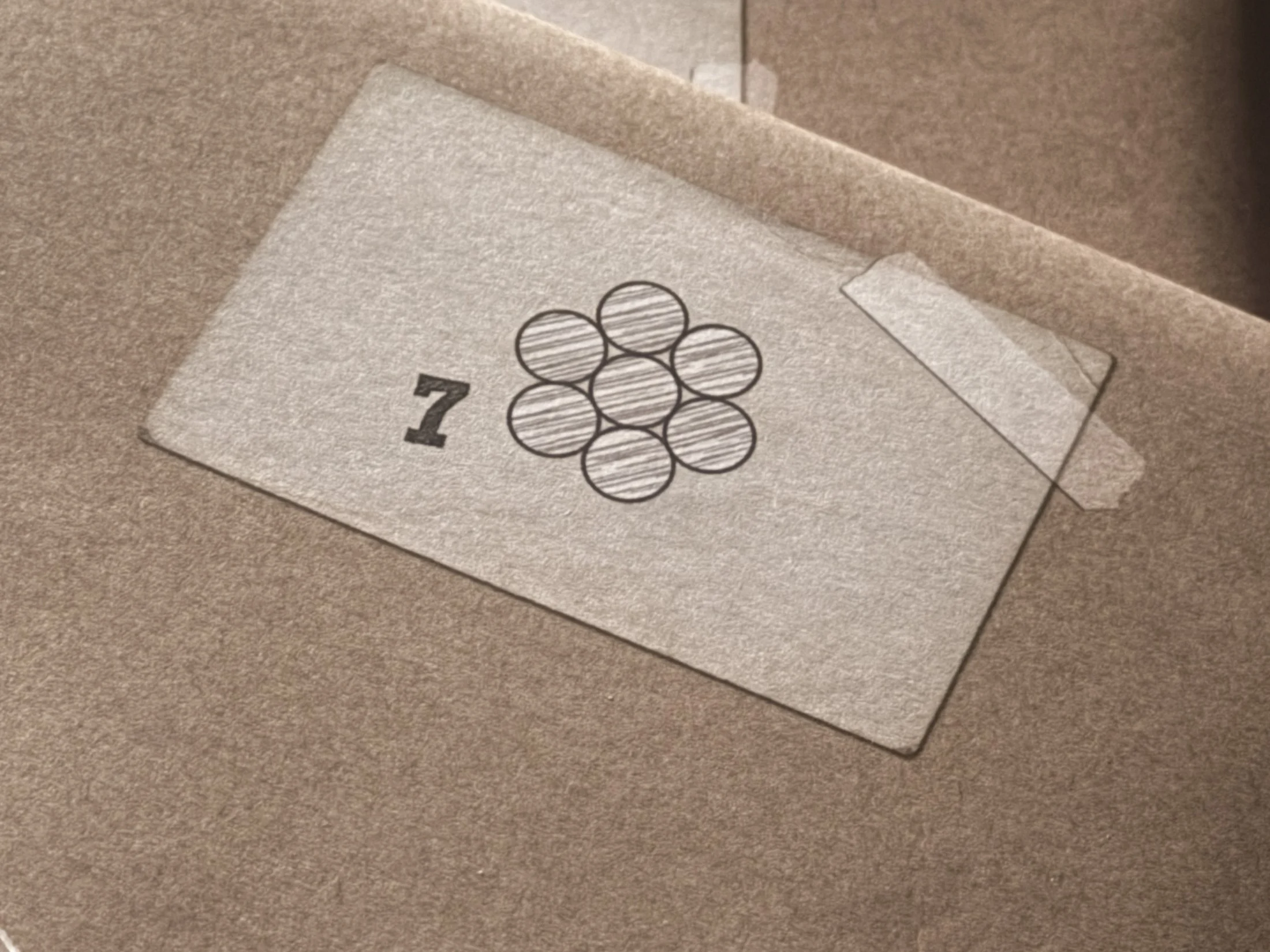
I do not yet know how the cards, Expedition mode or the progression tied to the envelopes will work in play. I have not opened the envelopes, and I am not going to reveal what is inside. For now, I am only judging what I have actually played.
Simple rules leave room for working things out.
Quick Trek is built around 19 rolls of two dice. After each roll, you choose the lower or higher result, the difference, the sum or the product. Each of these operations can be used no more than four times, and every new value must be entered next to an occupied space. You score for chains of consecutive numbers and zones made up of matching values.
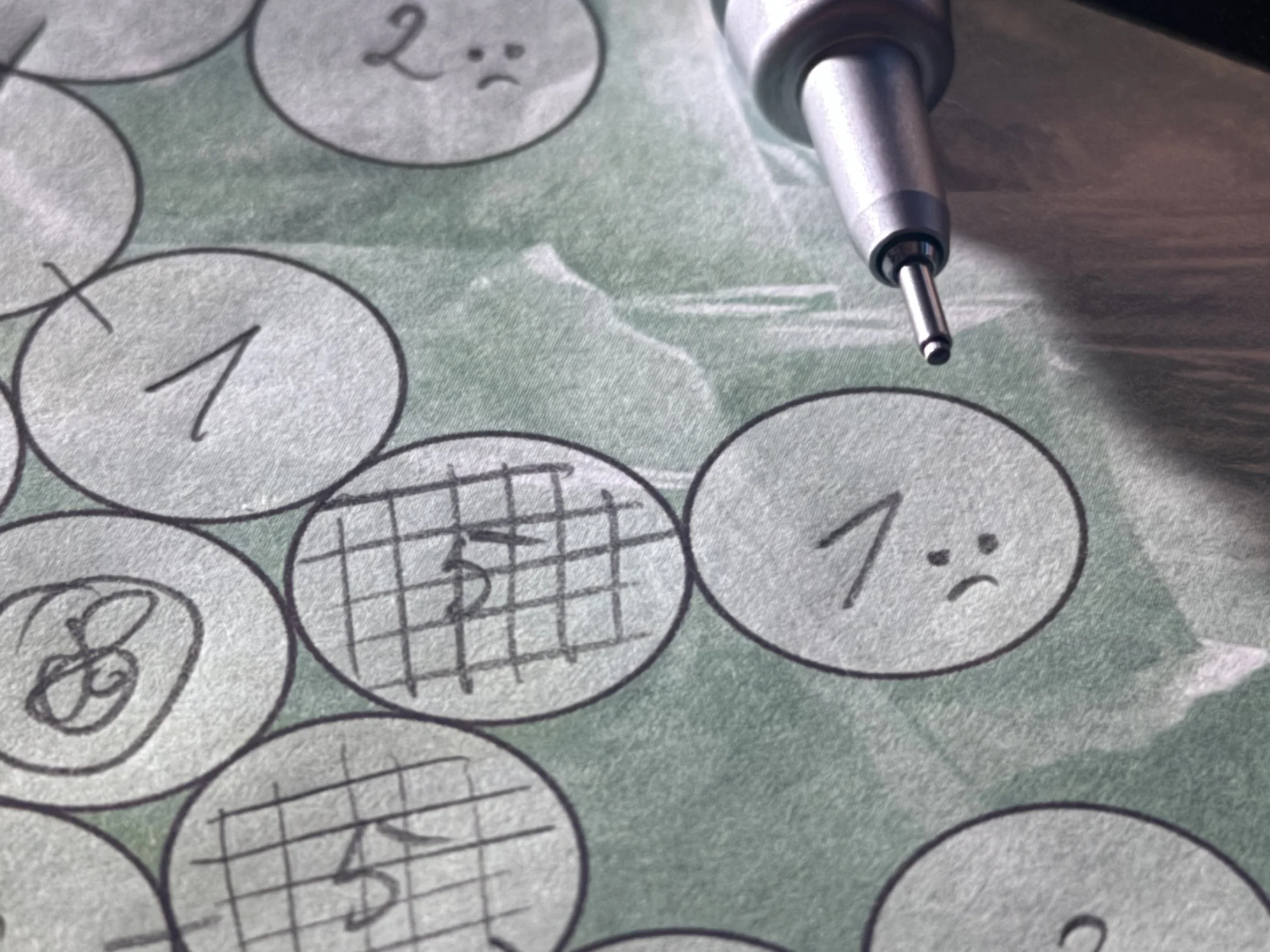
The rules proved simple, at least in this mode, and that was a big part of the fun for me. I did not have to keep going back to the rulebook. The rulebook did not have to sit at the table like a teacher supervising a resit. I could focus on where to write a number to score as many points as possible, avoid blocking my future moves and interfere with Max at the same time.
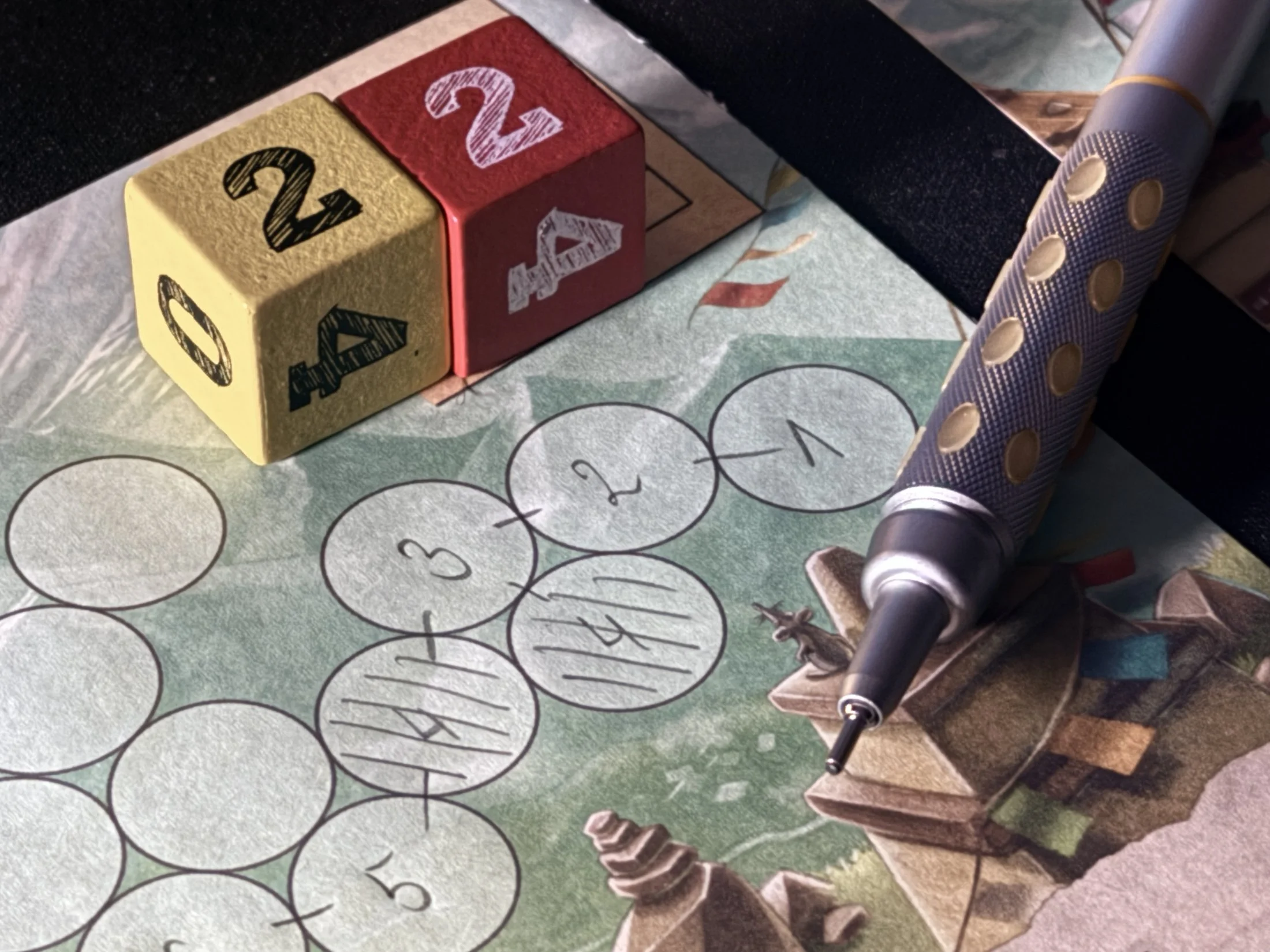
The dice determine the available options, but the decision is still yours. The dice made an offer, and I checked the small print on the sheet. The operation you choose matters, as does the space where you enter the result. Even a straightforward move could take some thought and get stuck in my head like a sofa on the landing.
I beat Max 60:58.
Max is part of the official solo mode, not a fan-made addition. You keep a second sheet for him. Max gets his own sheet but occupies my space. A paper tenant with no deposit. He uses the same space as the player but enters the higher value shown on the dice. His isolated spaces give him a three-point bonus each, while the same kind of spaces gave me a penalty.
Despite that scoring advantage, I won 60:58. The result was close, so my decisions about where to place numbers mattered until the end. I liked that choosing a space for my own result also allowed me to affect Max’s layout.
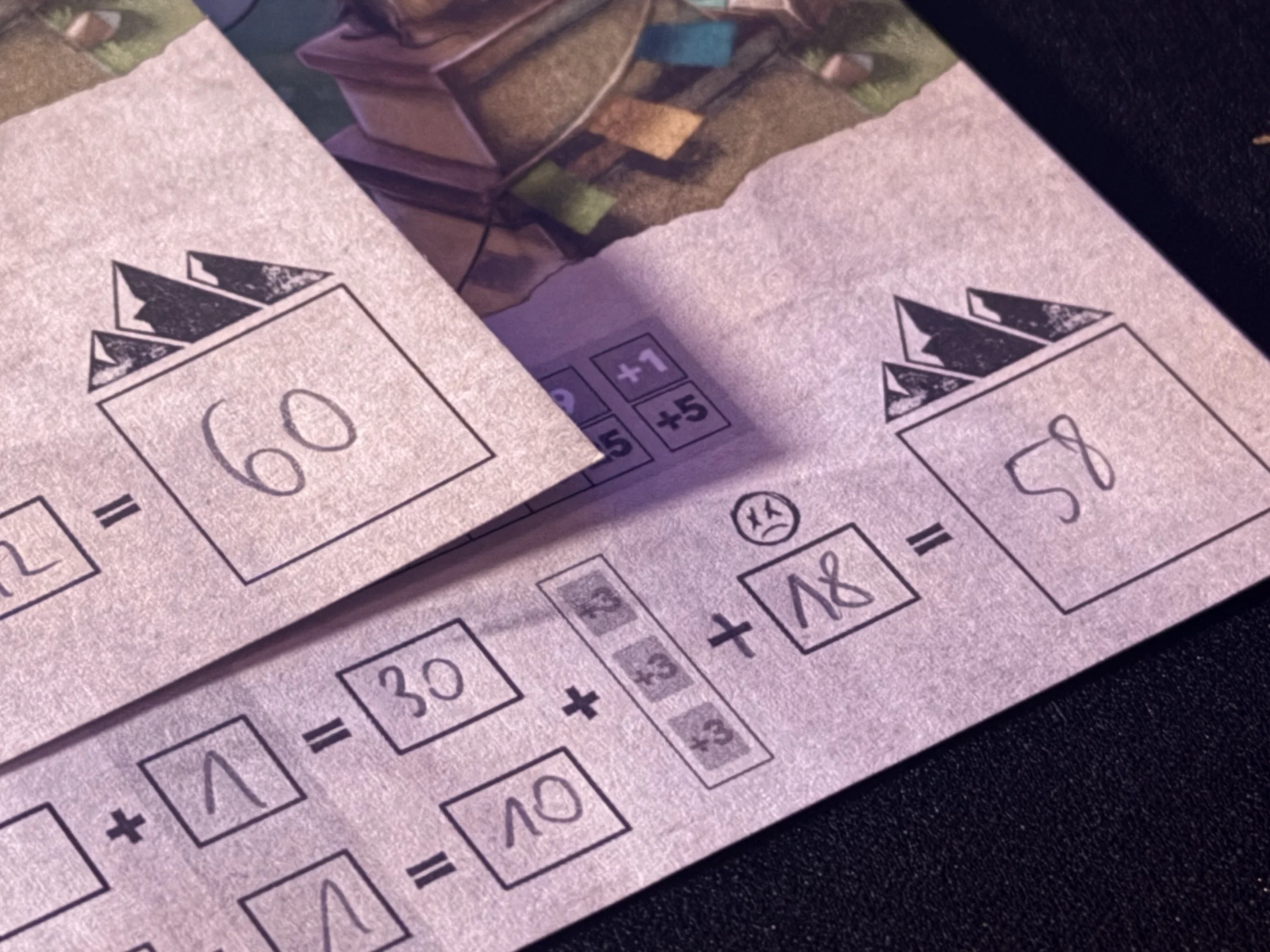
The only thing that bothered me was having to remember Max and keep filling in the second sheet. Managing the second sheet was like minding someone else’s exercise book during a test. Except I was writing in it for him. I would rather focus entirely on my own, but this is still simpler than managing the solo pirate in another game I played recently.
My first game took more than half an hour.
Including learning the rules, my first game took longer than 30 minutes. Quick Trek was as quick as carrying a chest of drawers to the top floor. I do not treat that as a representative time for future plays because I spent part of this first game reading and checking what to do.
This is still only one game. I have not experienced Expedition mode, used the assistance cards or seen what the game reveals later. My first play did show me that the basic mode is easy to start while still providing enough decisions to make me want to return to it.
I am choosing the quick mode again next time.
I am not going to move straight to Expedition mode. First, I want to play Quick Trek once more without learning the rules at the same time. I will then see whether the game really moves faster and whether the contest against Max remains just as close.
After my first game, Trek 12: Himalaya has made a very good impression on me. The rules are simple, and choosing a space for each number gives me plenty to think about. The box also suggests there is more to discover later. It is too early for a full assessment. I am already in the mood for another quick game.
GTA VI. I loved the UFO, but I still miss the gangster action.
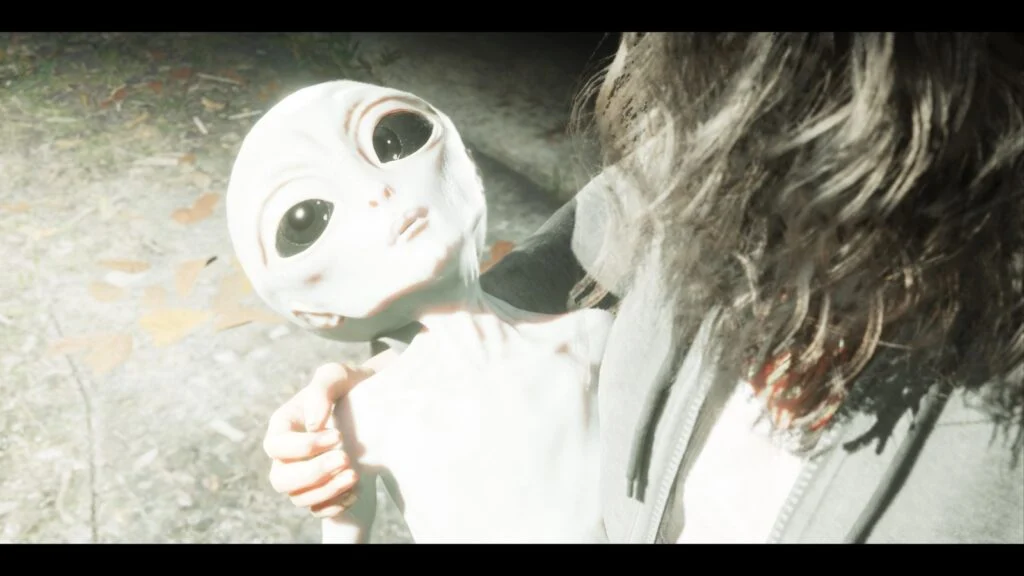
A Facebook video led me to a real sequence involving an alien. GTA VI is still a lot of fun, although the beginning feels noticeably tamer than the chaos of GTA V.
Kingdom Legacy. I reached card 23 and I’m starting over.
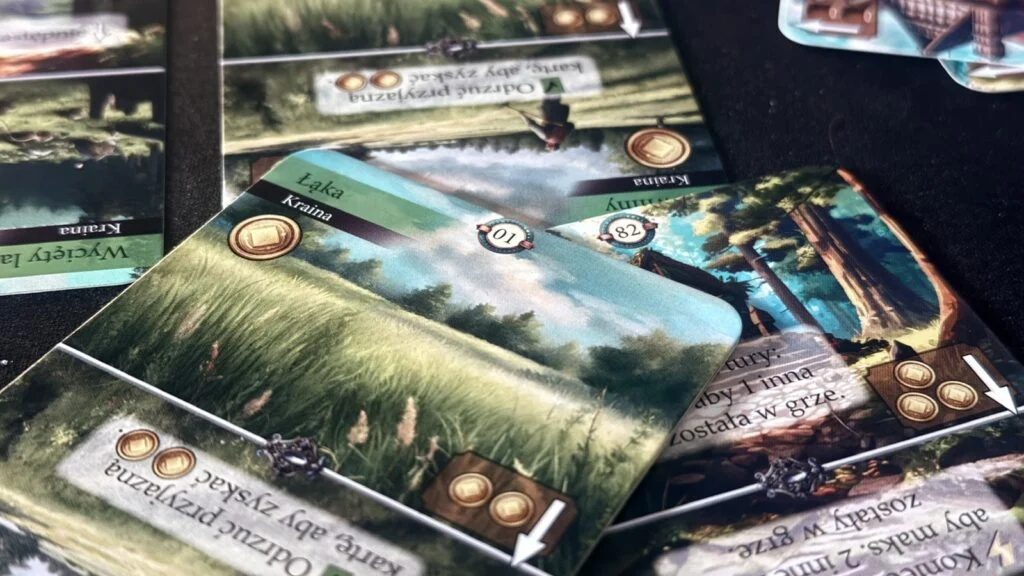
I played for another half hour or so and reached card 23. I chose to reset because I used my first attempt to learn the rules. Now I want to begin the adventure properly.
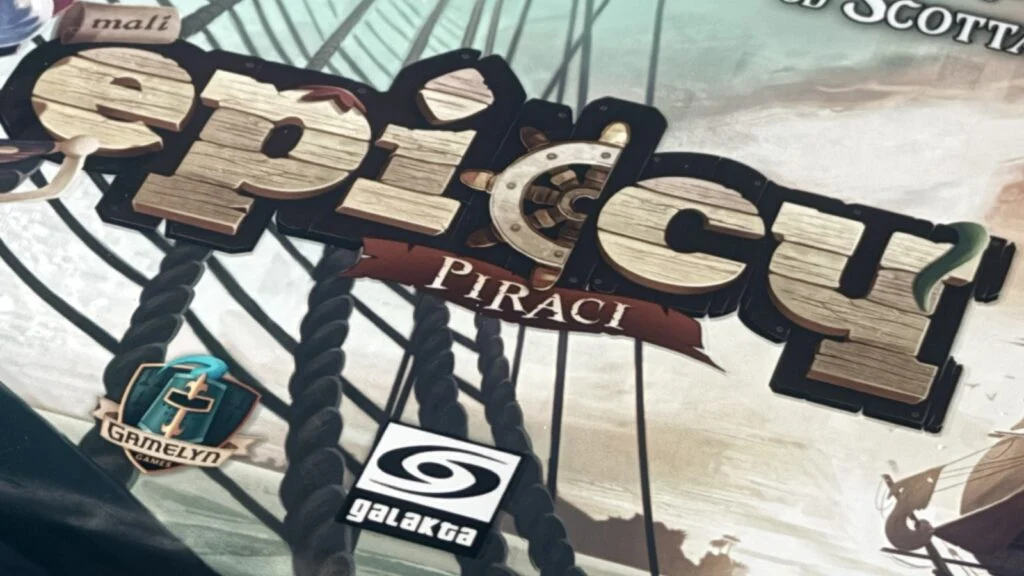
Tiny Epic Pirates Solo. Two Attempts, One Defeat, and Mixed-Up Ships.
Two attempts at Tiny Epic Pirates, plenty of time spent learning the rules, and a game in which I accidentally controlled my opponent's ship. Despite losing, I'm ready to set sail again.
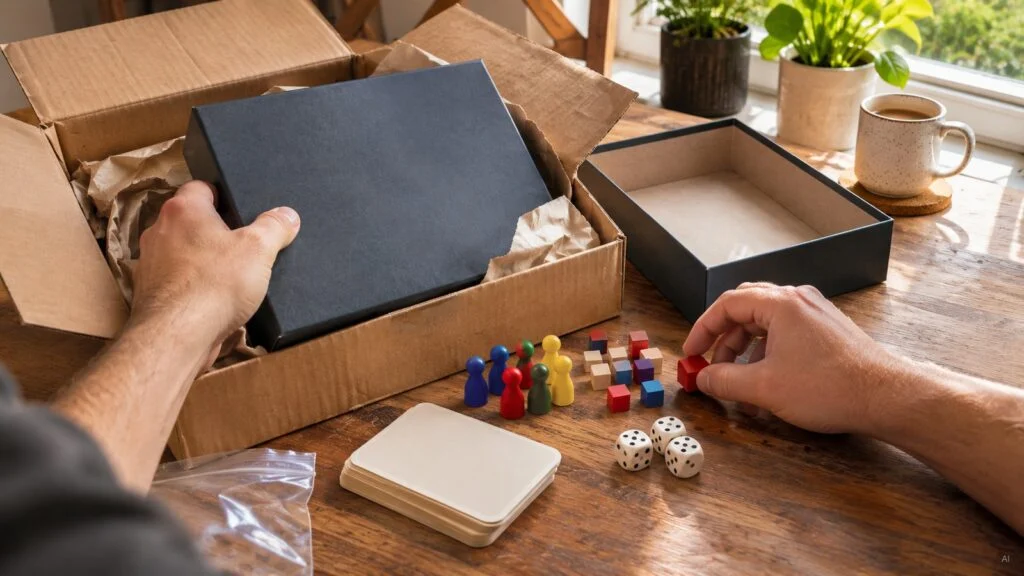
Vinted First, Shops Second. How I Buy Board Games.
Brand-new board games for 20% of their retail price? It happens. Here's how I hunt for games on Vinted, negotiate prices, and why a missing component in my latest purchase hasn't put me off the second-hand market.
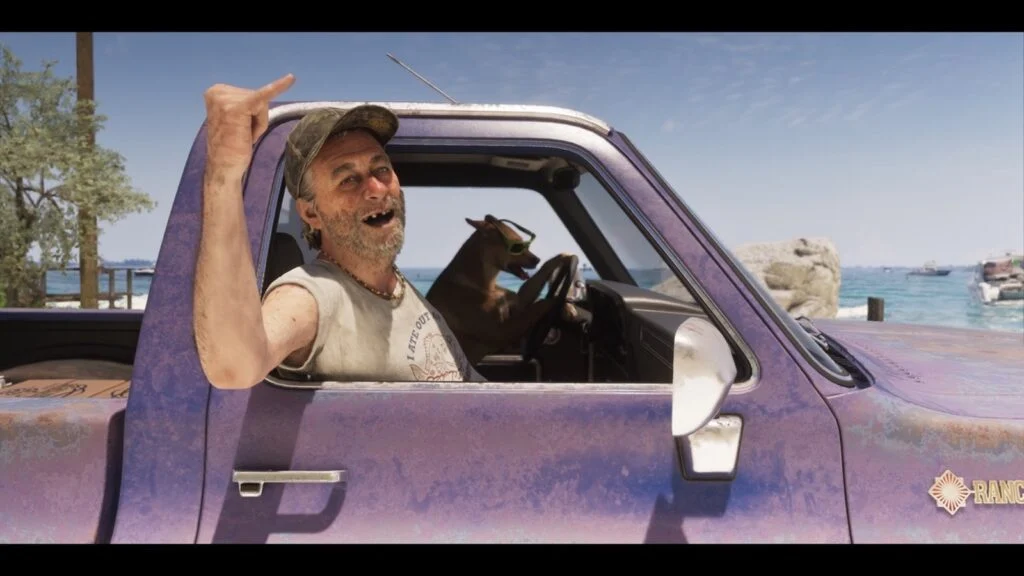
My first hour with GTA VI on Xbox Series X. So far, so good.
After roughly an hour of playing locally on Xbox Series X, what stayed with me most were the faces, animations and relaxed pace. I still need to get used to the controls, and it is far too early for a full verdict.

GTA VI is out today. Play or get some sleep?
GTA VI is preordered, and I’ve made no special preparations. My friends have booked leave to play; I’d like to take a quick look, though I have reasonable suspicions about the following morning.